
Get a Free Quote Today!
Moving You from A to Z!
Our ProMover Certified contractors are experts at packing and transporting your belongings. We’re able to streamline your relocation no matter the scope or size.



Residential and Commercial Movers
When moving in Western Pennsylvania and Northern Ohio it’s important to find a reliable team to transport your belongings. Weleski Transfer Inc. is one of the largest moving and storage companies in the region. We have over 100 years of experience providing quality commercial and residential moving for customers. Our move coordinators will ensure your relocation is carried out to the highest possible standards.
Get Free QuoteOffers
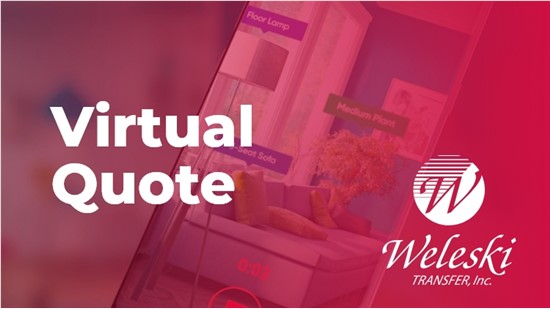
Virtual Quote
We can give you a quote over video call! Request a virtual quote when filling out a quote form, and someone from our team will contact you.

AAA Discounts
As a family-owned moving & storage company, we are proud to provide discounts for AAA members.

About Weleski Transfer Inc.
For more than a century, Weleski Transfer Inc. has provided award-winning moving and storage services. We’re a 4th generation family-owned business that focuses on the same trustworthy and down-to-earth services that our founder embodied.
We’re proud to be a BBB-accredited and A+ rated business committed to great customer service. In fact, we’ve earned the “Milton M. Hill Quality Award” 18 consecutive times. We’ve also earned a “Quality Warehousing Award” for our clean and monitored storage facilities. If you are looking for a moving company you can rely on to smoothly carry out a simple or challenging relocation, turn to Weleski Transfer Inc.
Gallery


See What Our Customers Are Saying!
Read More"We've used Weleski several times and every time they are amazing. On time, efficient, kind, careful of our belongings, asked all the right questions, and came in under budget. Our most recent move was a hefty one - 3500 sq ft house - and it was handled expertly. We were amazed by how quickly it all happened (packing and moving) and everything arrived safe. We recommend them highly! "
Emma Kieran
"These guys were great. They showed up on time, were completely organized and showed a real interest in being careful with every facet of the move. Hiring Weleski was the best thing I could have done. "
Donald Simpson
"About 45years ago I had my first experience with Weleski Transfer. My wife and I were moving from Bethel Park to Sharon Pa with our 3 kids. The packing, moving and unloading was handled better than I had thought possible. This was our first professional move and my wife and I essentially left all details and decision-making up to the recommendations of the Weleski family (Forgot to mention that the Weleski family has been moving western Pennsylvania families for over 100 years). "
Malvin Sander
Blogs

Simpler Moving Solutions with Storage Options
There's no denying that moving from one home to another can be incredibly stressful. And with these feelings of being stressed and overwhelmed, it's easy to lose sight of what's most important—ensuring your family can comfortably settle in your new home.

Our Best Advice on Minimizing Downtime During a Commercial Move
At Weleski Transfer, Inc., we've been conducting commercial moves in Pittsburgh and Cleveland for more than 100 years. In that time, we've learned a thing or two about streamlining the process.
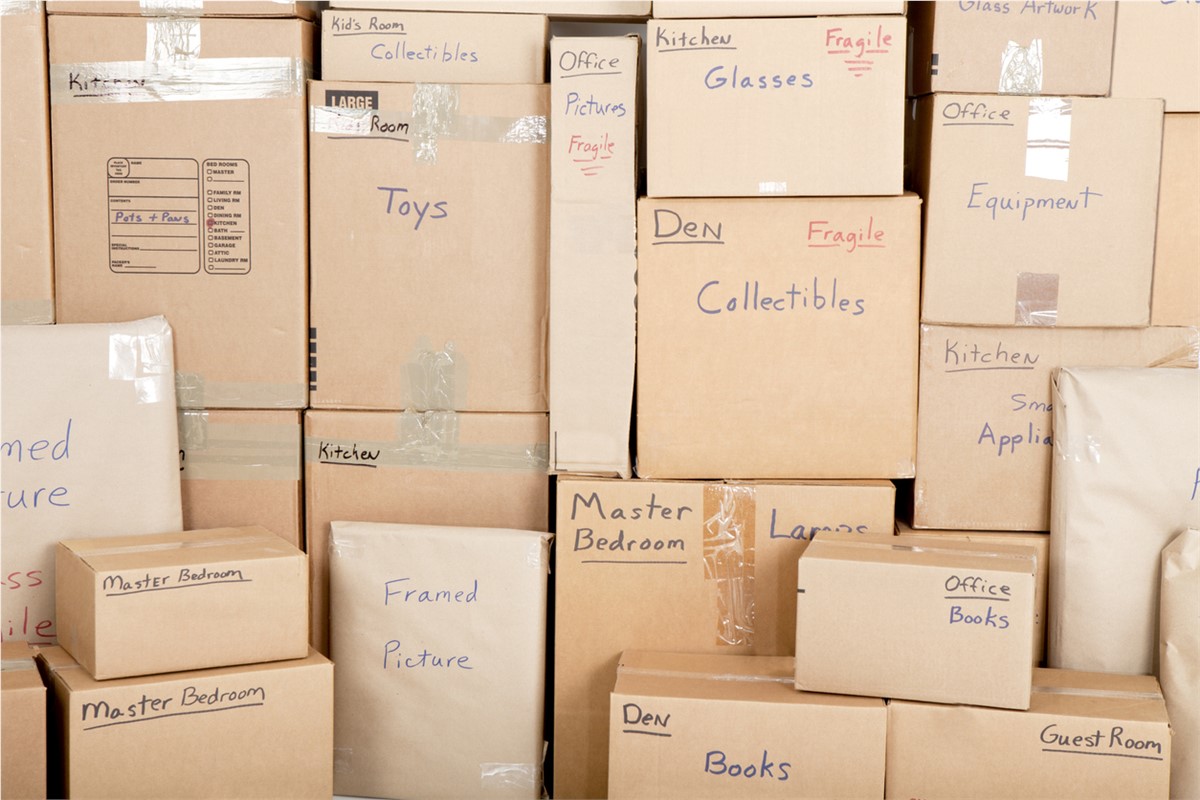
How to Use Labeling to Stay Organized During Your Move
When it comes to moving, there are always ways we can improve our organization to save time and money. By labeling every single box with care and diligence, you too can achieve an easy local or long-distance relocation in Pittsburgh and Cleveland.
Ohio and Pennsylvania preferred moving specialists
Moving you locally or nationwide!
Pennsylvania